Most people don’t think about their circulation very often. However, if you’re concerned about varicose veins, improving your circulation is something that you should consider.
Why? Because poor circulation is one of the reasons why people develop varicose veins. When your legs circulate properly, blood can easily be moved between your heart, legs, and back again.
However, when that system is under strain, blood can pool in the legs. This can contribute to swelling, discomfort, and problems like varicose veins or chronic venous insufficiency.
At our Milwaukee, Wisconsin clinic, we hear from many people who are concerned about their circulation. Thankfully, there are a few small changes you can make to your everyday routine to both improve circulation and reduce the likelihood of varicose vein development. Here are our tips.
Exercise
One of the most obvious tips is also, unfortunately, seemingly one of the hardest to implement into your life. Almost everyone would like to exercise more — but many people believe that their busy lives simply don’t allow this to happen.
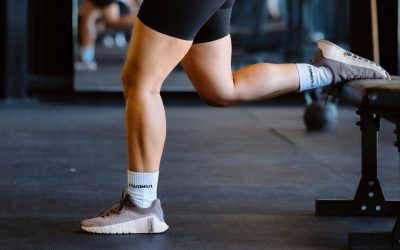
If you’re someone who thinks this way, you should remember that “exercise” doesn’t always mean going for a run or lifting weights. In fact, some of the easiest exercises to implement into your life are also some of the best for you!
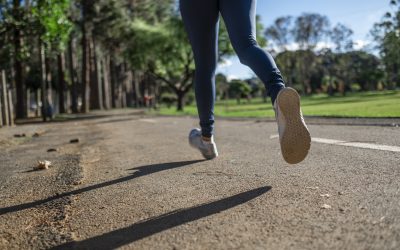
For example, experts agree that walking is a great exercise to improve circulation. According to the American Heart Association, studies have shown that around 20 minutes of walking per day is enough to improve your blood pressure, reduce your risk of many serious diseases, and provide a whole lot of other benefits.
If you’re not sure how to implement this into your life, think of the short trips that you make in your day-to-day life that can be replaced with walking. This can involve something as simple as walking to get your morning coffee, or even simply walking to a restroom that’s further from your desk when you’re at the office.
Avoid Staying In One Position For Too Long
Many Americans find that they spend most of their day sitting. They wake up, sit for breakfast, sit in their car, sit in the office, then drive back home to sit on the couch.
This is pretty bad for vein health. That’s why it’s recommended to avoid long, unbroken periods of sitting.
The solution here is fairly simple: break it up! If you sit at a desk all day, make an effort to stand up at least once per hour. You can even combine this with the aforementioned walking for additional benefits.
You can also make an effort to move your legs while you’re at your desk. This can involve flexing your toes, shifting your weight, or otherwise moving around.
When the day is done, you may also want to consider elevating your legs. Doing so can reduce swelling or that “heavy leg” feeling many people get at the end of the day.
Reduce Your Risk Factors
There are numerous risk factors for varicose veins. While some are genetic, others are factors that you can play a role in resolving.
For example, smoking can harm blood vessels and raise cardiovascular risk. Quitting smoking has the potential to reduce inflammation and hypercoagulability, meaning that your blood becomes less likely to clot abnormally. That is more about whole vascular health than veins alone, but the systems are connected — and protecting your blood vessels is good for circulation in general.
Weight management matters as well. You shouldn’t overthink this step — many people make the mistake of imagining an ideal weight, crashing hard while trying to reach it, then spiraling out and reserving their progress. This is not only unsustainable, but unhealthy in the long term.
Instead, focus on small swaps and everyday implementation of good habits. The aforementioned exercise will do wonders in this regard over time, and even small changes like swapping out salad dressing to a less calorically-dense option can make a big difference.
Conclusion
These are just some ways you can improve your circulation. However, if your legs regularly feel swollen, painful, itchy, or heavy, or if you are noticing worsening varicose veins, skin changes, or sores, you might want to schedule a consultation with a vein professional.
By examining your issue, we can work with you to develop a specific treatment plan and chart a path forward to a varicose vein-free future.