It’s important to stay active. But with varicose veins, that’s easier said than done.
If you have varicose veins, you probably know the experience of setting out to exercise, only to be limited or stopped by your varicose vein pain. Varicose veins can cause your legs to ache, feel heavy, throb, or just plain hurt — all things not exactly conducive to exercise.
People with varicose veins often feel like there’s nothing they can do to minimize their leg pain.
The truth is, however, there are steps that people with varicose veins can take to reduce pain while staying active.
As top-rated vein specialists in the Milwaukee, Wisconsin area, we’ve helped countless patients with varicose veins stay active and maintain their lifestyles, all with little or no varicose vein pain.
Here are some tips for keeping active while reducing vein pain.
Start With A Walk
Walking is an incredibly underrated exercise.
When you walk, your calf muscles engage. This helps push blood from your legs back toward your heart — which can prevent varicose veins from developing or worsening.
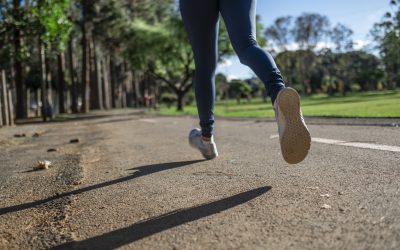
If you’re not a walker already, now may be a good time to start. Begin with short, comfortable walks, either around your neighborhood or at a nearby park. It’s best to start with a flat path, as some patients find that steep inclines or declines make their pain worse.
If your legs begin to ache during your walk, take a break. If the aching continues, start with shorter walks, then lengthen the walks as you get more comfortable.
Focus On Low-Impact Workouts
Some people make the mistake of thinking that they need to run to be active.
This couldn’t be further from the truth. Swimming and gentle cycling are both great options with minimal impact on one’s legs.
Both of these options have benefits that extend beyond minimal impact. For example, some patients find that the gentle water pressure provided by swimming helps to ease swelling. Cycling has myriad benefits — and, if you get a stationary bike, you can engage in cycling year-round.
As with all activities, pay attention to your legs during low-impact exercise. If an activity consistently causes pain, reduce your intensity, or explore alternatives that do not cause pain.
Don’t Skip Your Warm Up
As the days get colder, you might be tempted to skip the warm up and go straight to your workout. This is a bad plan.
Warming up acclimates your body to exercise. This not only improves the efficacy of your exercise, but it prepares you both mentally and physically for the task ahead.
Depending on your exercise and comfort level, warming up can take different forms. For example, gentle ankle circles, heel raises, or ankle pumps are perfectly adequate warmups to get the blood pumping and the body moving.
Be Careful With Lifting
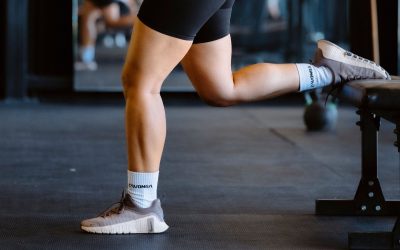
You can strength train with varicose veins. However, it should be noted that exercises involving heavy weights or prolonged straining can increase pressure in your veins and potentially aggravate symptoms.
If you find that your vein pain flares up after lifting, there are a few things you can do. First, you can consider using lighter weights. Next, you can make an effort to better control your movements, and choose to breathe steadily through the workout rather than holding your breath.
Don’t try to power through vein pain to finish a set. If you’re unsure of your limits, ask your healthcare provider or vein specialist which exercises and intensity levels are right for you.
Emphasize Recovery Time
It may sound counterintuitive, but what you do between workouts is just as important as the workouts themselves.
Simply put, you need to make sure you take care of yourself and your legs. Make better food choices, try to sleep at least seven hours per night, and when your veins hurt, elevate your legs to manage the symptoms.
All of these measures will make your experience with varicose veins more pleasant. That said, treating the underlying vein problem may be necessary to achieve lasting symptom relief.
How Can I Fix My Vein Issues?
Muscle soreness after exercise is normal. Persistent vein pain is not.
If you have varicose vein-related pain and want it to stop, schedule a consultation with a vein specialist.
Our experts will work with you to develop a plan to handle your varicose vein issues. Treatment is fast, low-pain, and effective. Get in touch today.